

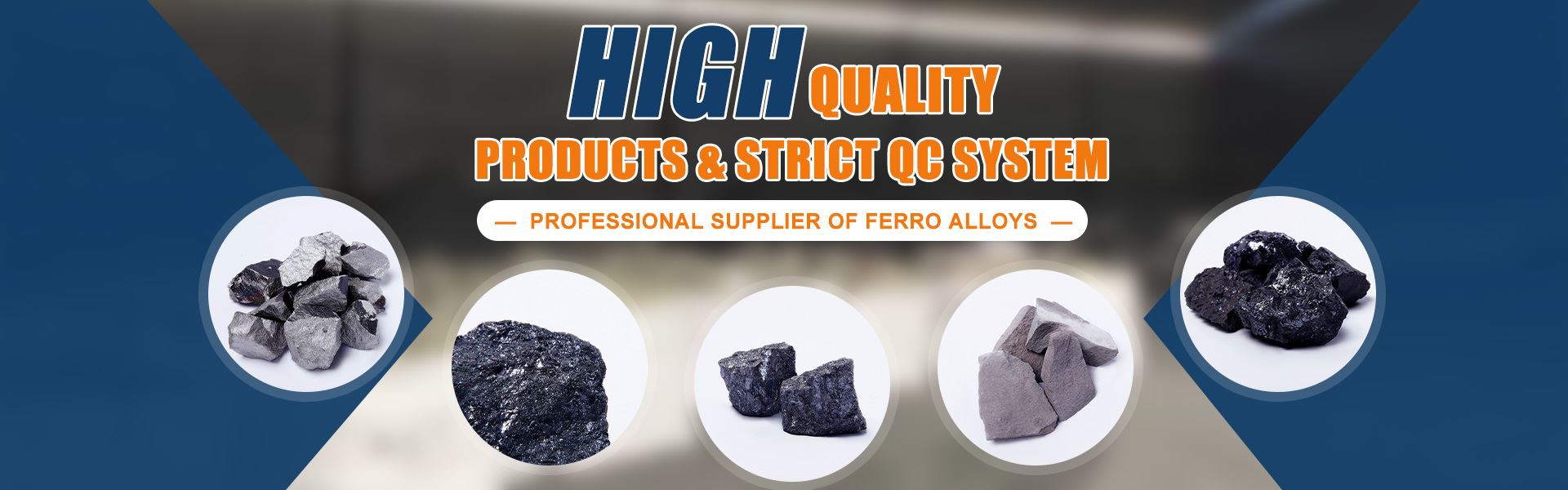

Take Your Business to the Next Level with Wholesale Electrolytic Manganese from Anyang Kongfang
As a professional Electrolytic Manganese supplier, our company was established in 2006 with more than 12 years of export experience. In the fierce market competition, our advantages are reflected in:
Strong Team
Our factory covers an area of about 30,000 square meters and currently has more than 140 employees, including more than 15 professional and technical personnel of various types. They can provide you with reliable technical support and considerate services in every aspect of cooperation.
Broad Market
Kongfang products are sold both domestically and abroad. It has exported ferro alloys to more than 20 countries such as Netherlands, Italy, South Korea, Japan, Russia, India, Turkey, Pakistan, Indonesia, Vietnam, Myanmar etc. thus earning a favorable reputation internationally.
Wide Product Range
Explore our extensive product range, featuring high-quality alloys and metals such as Ferro silicon, Silicon manganese, Silicon carbon alloy, Ferro chrome, Silicon metal, Ferro manganese, Silicon carbide, Calcium silicon, Nitrided Ferrosilicon, Silicon slag, Ferro silicon barium, Ferro boron, Manganese metal, Electrolytic manganese metal, and Calcium silicon cored wire etc. Our diverse selection ensures that we meet the diverse needs of our customers across various industries.
Professional Service
Our professional sales team can provide first-class services in addition to 100% quality assurance for customers. We also provide good after-sales service to handle customer complaints and solve problems for customers. We will be responsible for any quality issues.



Brief Introduction to Electrolytic Manganese
Electrolytic manganese is the purest form of the metal manganese, which has the chemical symbol Mn. The word "electrolytic" means that a significant portion of the processing relies on electrolysis, a reaction propelled by an electric current. More cost-effective processes produce less pure versions like silicomanganese and ferromanganese. Electrolytic manganese has extremely high purity, consisting of 99.9 percent manganese.
How to Make Electrolytic Manganese
Process 1
In the first step of extracting manganese, the ore is heated and chemically treated to eliminate most unwanted contaminants. Afterwards, the metal is further refined through an electrolysis process. First, the solution is put into the electrolytic cell to electrolyze the substance, and then the current is passed through the electrolytic cell. Finally, manganese is separated from its natural impurities through a chemical reaction triggered by direct current.
Process 2
The anode acts as the negative electrode, allowing electricity to enter the battery, while the cathode acts as the positive electrode, allowing electricity to leave the battery. When direct current is passed through a manganese solution, one of two possible reactions will occur, oxidation (losing electrons) or reduction (gaining electrons).
Process 3
Finally, electrolytic manganese metal (abbreviated as EMM) will accumulate on the cathode, and electrolytic manganese dioxide (abbreviated as EMD) will accumulate on the anode. Periodically remove the electrode and collect flake manganese deposits. When heated to 925 degrees Fahrenheit (500 degrees Celsius), the flakes release remaining hydrogen gas, producing a manganese extract that is greater than 99.9% pure.
Features of Electrolytic Manganese
Physical Properties
Electrolytic manganese is in the form of hard and brittle flakes with uneven shape. Instead, it's a shiny silvery white on one side and a rough brown on the other.
Chemical Properties
Electrolytic manganese is easily oxidized in the air, soluble in dilute acid, and easy to replace. It can split water and produce hydrogen at temperatures just above room temperature.
High Purity
Electrolytic manganese is an element produced by electrolysis of manganese salts precipitated from manganese ore in an electrolytic cell. It is extremely pure, with a manganese content even higher than 99.9%.
Multiple Uses
Electrolytic manganese flakes are primarily known for their use in alloying steel and adding additives to alloys requiring manganese. It can also be alloyed with other metals such as aluminum, antimony or copper to form highly ferromagnetic materials.
How Electrolytic Manganese Affects Material Properties
Adding electrolytic manganese in small amounts can have a significant impact on the material's properties. The specific effects depend on the material and the amount of manganese added, but some general trends can be observed, as follows:
1. Increase Strength: Electrolytic manganese can increase the strength and hardness of materials, especially steel alloys. This is because manganese forms strong bonds with iron, helping to stabilize the material's crystal structure.
2. Improve Ductility: Electrolytic manganese not only increases the strength of the material, it also helps improve the material's ductility, or ability to deform without breaking. This is because manganese helps reduce the formation of brittle phases in the material.
3. Enhance Corrosion Resistance: Electrolytic manganese can also improve the corrosion resistance of materials, especially stainless steel alloys. This is because manganese forms a protective oxide layer on the surface of the material, helping to prevent corrosion.
4. Increase Hardness: Electrolytic manganese can also increase the hardness of materials (especially iron), making them more wear-resistant. This is particularly important in highly stressed applications where the material is subject to heavy loads and friction.
Electrolytic Manganese Specification (Taking Electrolytic Manganese Piece as an Example)
| Brand | Electrolytic Manganese Piece chemical composition | ||||||
| Mn | C | S | P | Si | Se | Fe | |
| ≥ | ≤ | ||||||
| DJMnA | 99.95 | 0.01 | 0.03 | 0.001 | 0.002 | 0.0003 | 0.006 |
| DJMnB | 99.9 | 0.02 | 0.04 | 0.002 | 0.004 | 0.001 | 0.01 |
| DJMnC | 99.88 | 0.02 | 0.02 | 0.002 | 0.004 | 0.06 | 0.01 |
| DJMnD | 99.8 | 0.03 | 0.04 | 0.002 | 0.01 | 0.08 | 0.03 |
What are the Benefits of Electrolytic Manganese?
Electrolytic manganese has numerous advantages and uses across various industries and applications, some of its key benefits include:
*Strong and Tough Steel: Electrolytic manganese increases the strength and toughness of steel, making it ideal for industrial equipment and infrastructure.
*Health Benefits: Manganese is an essential nutrient for humans and supports healthy bone development, wound healing and metabolism. It also acts as a powerful antioxidant and has been linked to a reduced incidence of chronic diseases such as osteoporosis and diabetes.


*Improved Crop Yields: Manganese improves plant health and growth, resulting in higher crop yields and better disease resistance.
*Wide Range of Industrial Applications: Electrolytic manganese has a wide range of industrial applications, including the production of alloys, ceramics, glasses and pigments.
Some Uses and Applications of Electrolytic Manganese
Electrolytic manganese is a versatile metallic element used in a variety of industrial applications. Some of the major applications are listed and discussed below:
Steel
The largest use of electrolytic manganese is in steel production. It is added to all commercial steels and its main effect is deoxidation/desulfurization, where MnS is formed instead of FeS. Electrolytic manganese is also added to steel as an alloying agent to improve its strength, toughness, and resistance to wear and corrosion. It also increases the hardenability of the metal. Manganese steel, also known as Hadfield steel, is a high-manganese austenitic steel particularly suitable for applications where impact resistance and durability are important, such as mining equipment, rail tracks and construction machinery.
Battery
Electrolytic manganese is used in the production of a variety of batteries, including alkaline, zinc-carbon and lithium-ion batteries. In alkaline batteries, manganese dioxide is used as the cathode material, while in zinc-carbon batteries, manganese dioxide is used as a depolarizing agent. In lithium-ion batteries, electrolytic manganese is often combined with other metals such as cobalt and nickel to form the cathode.
Resistor
Electrolytic manganese is used to produce certain types of resistors, which are electrical components that limit the flow of electricity in an electrical circuit. Manganese dioxide is mixed with carbon to form the resistive material used in these resistors. The amount of manganese dioxide in a resistor determines the resistance value, which can range from a few ohms to several megaohms.
Aluminum Alloy
Electrolytic manganese plays an important role in many modern aluminum alloys. When added to aluminum, electrolytic manganese improves its strength, toughness and corrosion resistance. Aluminum alloys containing manganese are commonly used in the automotive industry to make engine blocks, transmission components, and other parts that require high strength and durability.
Safety Tips on Handling and Contact with Electrolytic Manganese
1. First Aid Measures
General Information: Immediately remove any clothing contaminated with this product. Evacuate the danger area.
Inhalation: Move person to fresh air. If breathing stops, perform artificial respiration immediately. If breathing is difficult, give oxygen and seek medical assistance.
Skin Contact: Flush skin immediately with running water for at least 15 minutes and remove contaminated clothing and shoes. Wash clothing before using again. Get medical help immediately.
Eye Contact: Open eyes immediately and flush with running water for at least 15 minutes. Get medical help immediately.
Ingestion: Do not induce vomiting without medical advice. Rinse mouth with water. Never give anything by mouth to an unconscious person. Get medical help immediately.
2. Firefighting Measures
Suitable Extinguishing Media: Use water spray, dry chemical, carbon dioxide or chemical foam.
Specific Hazards Arising from Chemicals: Manganese oxides.
Advice for Firefighters: As with any fire, wear a NIOSH-approved or equivalent pressure self-contained breathing apparatus and full protective gear. In the event of fire, thermal decomposition or combustion may produce irritating and highly toxic gases.
3. Measures for Accidental Leakage
Personal Precautions, Protective Equipment and Emergency Procedures: Wear protective equipment and keep unprotected persons away. Ensure adequate ventilation. Remove all sources of ignition. If safe to do so, prevent further leaks or spills.
Environmental Precautions: Do not allow electrolytic manganese to enter drains, other waterways or soil.
Methods and Materials for Containment and Clean-Up: Prevent further leaks or spills when safe to do so. Vacuum, sweep or absorb with inert material and place in suitable disposal container. Please refer to local disposal regulations.
4. Handling and Storage
Precautions for Safe Handling: Avoid contact with skin, eyes and personal clothing. Wash hands thoroughly after handling. Avoid breathing fumes. Only use adequate ventilation. Wear appropriate protective clothing, gloves and eye/face protection. Stay away from things that can create fire. Minimizes the generation and accumulation of dust. Keep container tightly closed. Open and handle container carefully. Do not eat, drink or smoke while handling.
Safe Storage Conditions: Electrolytic manganese should be stored in closed containers when not in use. Store in a cool, dry, well-ventilated area away from incompatible materials. Stay away from things that can create fire. Store in a cool, dry place for a long time.
Our Certifications
Our company has obtained the following certificates:


Factory Pictures
Below Are Photos Of Our Factory For You To View:

Ultimate Guide
Q: What is the use of electrolytic manganese dioxide?
Q: How to use electrolytic manganese to obtain high-purity manganese powder?
Q: What is the use of electrolytic manganese in electronic products?
Q: Is electrolytic manganese used in lithium batteries?
Q: What form of electrolytic manganese is used in batteries?
Q: What is the electrolytic extraction of manganese metal?
Q: What are the uses of electrolytic manganese metal flakes?
Q: What are the advantages of electrolytic manganese metal?
Q: What are the uses of electrolytic manganese metal?
Q: What is the largest industrial use of electrolytic manganese?
Q: Is electrolytic manganese stronger than metal?
Q: Will electrolytic manganese rust?
We're professional electrolytic manganese manufacturers and suppliers in China, specialized in providing high quality products and service. We warmly welcome you to buy high-grade electrolytic manganese at competitive price from our factory.
Electrolytic Manganese Piece, electrolytic manganese 99 9 , Electrolytic Manganese Metal Flakes