


Take Your Business to the Next Level with Wholesale Silicon Carbon Alloys from Anyang Kongfang
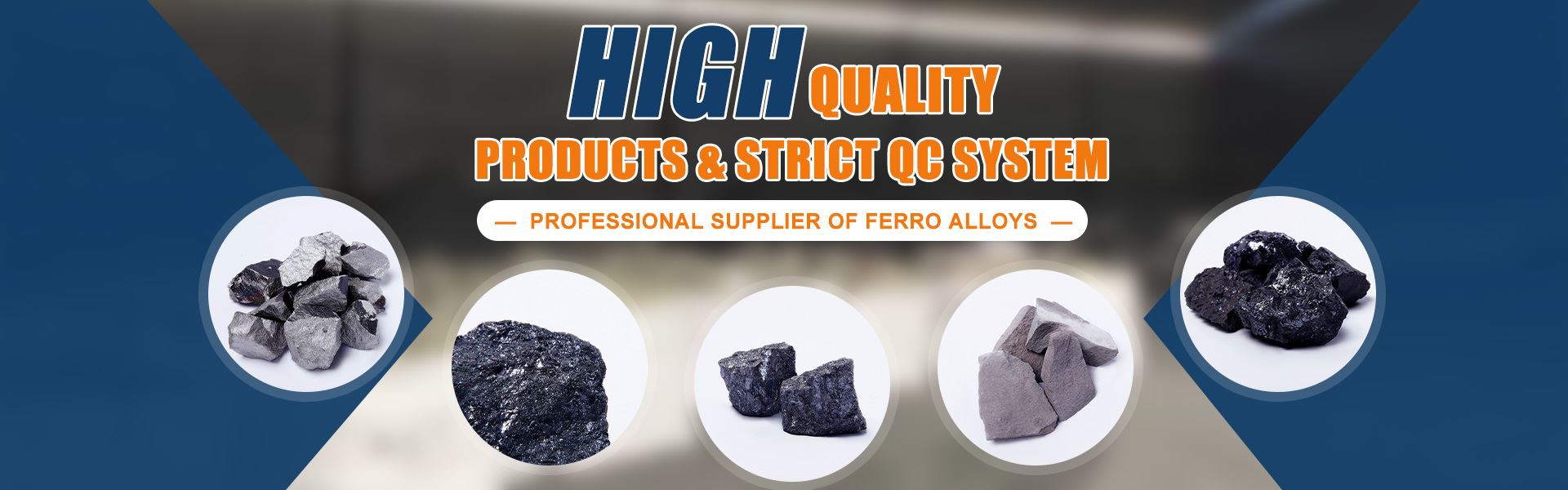
As a professional Silicon Carbon Alloys supplier, our company was established in 2006 with more than 12 years of export experience. In the fierce market competition, our advantages are reflected in:
Strong Team
Our factory covers an area of about 30,000 square meters and currently has more than 140 employees, including more than 15 professional and technical personnel of various types. They can provide you with reliable technical support and considerate services in every aspect of cooperation.
Broad Market
Kongfang products are sold both domestically and abroad. It has exported ferro alloys to more than 20 countries such as Netherlands, Italy, South Korea, Japan, Russia, India, Turkey, Pakistan, Indonesia, Vietnam, Myanmar etc. thus earning a favorable reputation internationally.
Wide Product Range
Explore our extensive product range, featuring high-quality alloys and metals such as Ferro silicon, Silicon manganese, Silicon carbon alloy, Ferro chrome, Silicon metal, Ferro manganese, Silicon carbide, Calcium silicon, Nitrided Ferrosilicon, Silicon slag, Ferro silicon barium, Ferro boron, Manganese metal, Electrolytic manganese metal, and Calcium silicon cored wire etc. Our diverse selection ensures that we meet the diverse needs of our customers across various industries.
Professional Service
Our professional sales team can provide first-class services in addition to 100% quality assurance for customers. We also provide good after-sales service to handle customer complaints and solve problems for customers. We will be responsible for any quality issues.
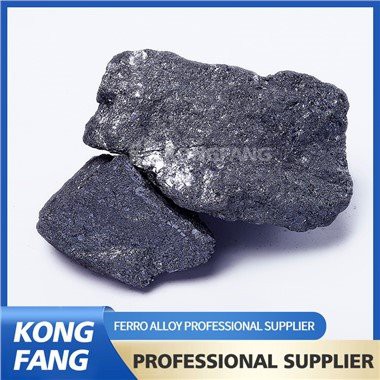


Brief Introduction to Silicon Carbon Alloys
Silicon carbon alloys are a good temperature-resistant material. Putting silicon-carbon alloy in the process of steelmaking can increase the furnace temperature, increase the conversion rate of ferroalloy, and accelerate the reaction speed of molten steel and elements. It is a new type of alloy which can replace most of frrsilicon, silicon carbide and recarburizer, thereby reducing the use of deoxidizer. It is utilized for smelting deoxidation alloying process in converter and it has stable effect, with better steel chemical composition, mechanical properties and internal quality control than traditional process.
Role of Silicon and Carbon in Silicon Carbon Alloys
Silicon
Silicon in silicon-carbon alloys has a graphitizing effect, so it is generally used in combination with manganese as a carbide stabilizer in steel and is a commonly used deoxidizer. The main function of silicon is to increase the magnetic permeability and resistivity of electrical sheet steel and allow very low hysteresis losses. The combination of silicon and manganese improves hardenability, strength and impact toughness.
Carbon
The main function of carbon is to increase the strength, hardness and hardenability of steel as the carbon content in the steel increases. But it will reduce plasticity, toughness, magnetism and electrical conductivity. The carbon in steel combines with certain alloying elements to form various carbides, which have different effects on the properties of steel.

Features of Silicon Carbon Alloys
Low Impurity Content
Aluminum, nitrogen and hydrogen are elements that in excess can cause defects such as pores or inclusions in steel. Silicon-carbon alloys naturally have lower levels of these impurities than other sources of silicon and carbon, making it possible to produce steel with greater transparency.
Improve Efficiency
By incorporating silicon-carbon alloys into converter furnaces (BOF), steelmakers can significantly improve the efficiency of their operations. The addition of silicon carbon alloys allows higher temperatures to be achieved within the furnace, allowing more scrap metal to be utilized while remaining cost-effective. Its addition can also reduce lime consumption and further improve the overall efficiency of the steelmaking process.
Available in Both Silicon and Carbon
Since silicon carbon alloys provide both silicon and carbon in steel, silicon-carbon alloys can replace two raw materials, one as a silicon source and one as a carbon source. This results in reduced costs during the addition of alloying elements. Additionally, silicon carbon alloy can be used to deoxidize the steel during transfer from the electric furnace to the ladle furnace without any risk of operational problems.
Advantages of Silicon Carbon Alloys
Promote Deoxygenation
Silicon-carbon alloy contains silicon element. After the silicon carbon alloy is added during the steelmaking process, the silicon element reacts with oxygen to deoxidize the oxygen in the steel, thereby improving the hardness and quality of the steel. Moreover, the silicon element in silicon-carbon alloy has a good affinity with oxygen, so it can also avoid steel splashing.
Speed up Slag Collection
Silicon carbon alloys can speed up slag collection. Adding a certain proportion of silicon-carbon alloy to steel can quickly agglomerate the oxides during the steelmaking process. In this way, impurities are easier to filter and process, which greatly improves the purity, density and quality of steel. hardness.
Increase the Furnace Temperature
Silicon-carbon alloy is a good temperature-resistant material. Adding silicon-carbon alloy during the steelmaking process can increase the furnace temperature, increase the conversion rate of ferroalloy, and speed up the reaction between molten steel and elements.
Cost Savings
As a new metallurgical material, silicon carbide alloy is favored by many manufacturers because its price is lower than traditional metallurgical materials. Silicon carbide alloys can replace expensive metallurgical materials such as silicon and achieve unexpected and satisfactory results, so using silicon carbide alloys can save costs.
Silicon Carbon Alloys Specification
| Silicon carbon alloy | Chemical composition(%) | Size(mm) | ||||
| Si | C | Al | S | P | ||
| ≥ | ≥ | ≤ | ≤ | ≤ | ||
| Si68C18 | 68 | 18 | 3 | 0.1 | 0.05 | 5月25日 |
| Si65C15 | 65 | 15 | 3 | 0.1 | 0.05 | 10-50 |
| Si60C10 | 60 | 10 | 3 | 0.1 | 0.05 | 10-100 |
Why can Silicon Carbon Alloys Stand out in the Fields of Steelmaking and Casting?
The demand for silicon carbon alloys in metallurgical materials is mainly due to its functions and cost-effectiveness, which are specifically reflected in the following aspects:
High Cost Performance
Silicon-carbon alloy can be used as a deoxidizer in steelmaking, especially when making plain carbon steel, silicon-carbon alloy is necessary. Smelting ordinary carbon steel in a converter requires the addition of silicon manganese, ferrosilicon, silicon aluminum barium calcium, silicon carbon alloy, silicon manganese, and ferrosilicon. In order to reduce costs, adding cost-effective silicon-carbon alloy is a good choice.
Good Carburizing Effect
After silicon-carbon alloy is added to molten steel, the diffusion effect is very good and the deoxidation speed is very fast. Due to the high activity of silicon, when it is added to the molten steel it will react and release a lot of heat, thus ensuring a shorter deoxidation time. Not only that, compared with the use of silicon-carbon alloys and the use of other types of carburizing agents, the carburizing effect of silicon-carbon alloys is comparable to that of silicon-carbon alloys.
Easy to Use
Silicon-carbon alloys are mainly 0-10 silicon-carbon particles, and silicon-carbon balls can also be made into silicon-carbon balls using a ball press in the factory. Compared with silicon carbon particles, silicon carbon balls sink into molten steel more easily, and the reaction speeds up the deoxidation rate. The oxides it generates have low melting points and are easy to float, which can also avoid the problem of furnace mouth clogging. Depending on the amount of molten steel, users can use these silicon-carbon alloy balls quantitatively.
Our Certifications
Our company has obtained the following certificates:


Factory Pictures
Below Are Photos Of Our Factory For You To View:

Frequently Asked Questions
Q: Is silicon carbon alloy easily broken?
Q: What is the typical composition of silicon carbon alloys?
Q: How does the silicon content influence the structure of silicon carbon alloys?
Q: Is silicon carbon alloy resistant to high temperatures?
Q: Is it safe to handle silicon-carbon alloys?
Q: What are the main applications of silicon carbon alloys?
Q: How does silicon carbon alloy compare to other materials in terms of hardness?
Q: What are the challenges in the production process of silicon-carbon alloys?
Q: Does your silicon-carbon alloy have many impurities?
Q: How does silicon carbon alloys benefit steel production?
Q: What is the role of silicon in the alloy?
Q: Are there variations of silicon carbon alloys with different compositions?
We're professional silicon carbon alloys manufacturers and suppliers in China, specialized in providing high quality products and service. We warmly welcome you to buy high-grade silicon carbon alloys at competitive price from our factory.
high carbon silicon alloy powder, silicon carbon alloy powder 0 3mm, high purity silicon carbon alloy