

Take Your Business to the Next Level with Wholesale Silicon Manganese from Anyang Kongfang
As a professional Silicon Manganese supplier, our company was established in 2006 with more than 12 years of export experience. In the fierce market competition, our advantages are reflected in:
Strong Team
Our factory covers an area of about 30,000 square meters and currently has more than 140 employees, including more than 15 professional and technical personnel of various types. They can provide you with reliable technical support and considerate services in every aspect of cooperation.
Broad Market
Kongfang products are sold both domestically and abroad. It has exported ferro alloys to more than 20 countries such as Netherlands, Italy, South Korea, Japan, Russia, India, Turkey, Pakistan, Indonesia, Vietnam, Myanmar etc. thus earning a favorable reputation internationally.
Wide Product Range
Explore our extensive product range, featuring high-quality alloys and metals such as Ferro silicon, Silicon manganese, Silicon carbon alloy, Ferro chrome, Silicon metal, Ferro manganese, Silicon carbide, Calcium silicon, Nitrided Ferrosilicon, Silicon slag, Ferro silicon barium, Ferro boron, Manganese metal, Electrolytic manganese metal, and Calcium silicon cored wire etc. Our diverse selection ensures that we meet the diverse needs of our customers across various industries.
Professional Service
Our professional sales team can provide first-class services in addition to 100% quality assurance for customers. We also provide good after-sales service to handle customer complaints and solve problems for customers. We will be responsible for any quality issues.
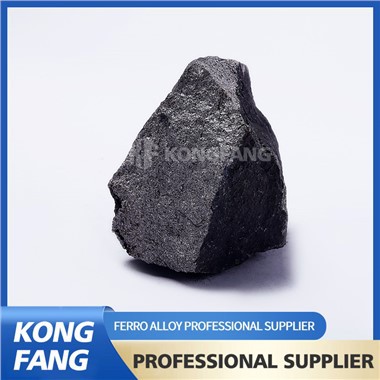
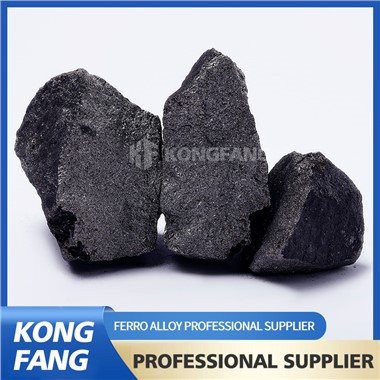

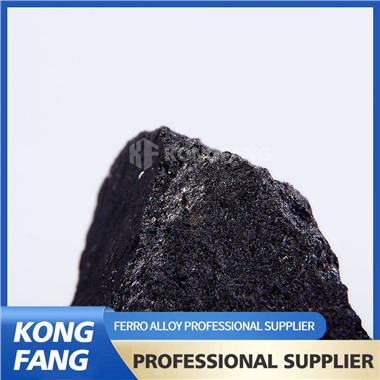

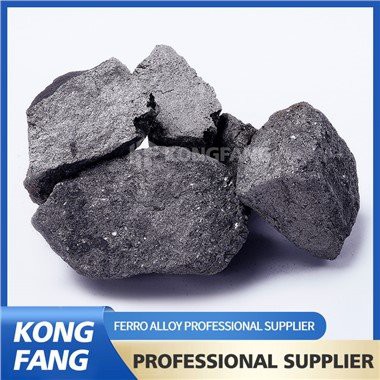


Brief Introduction to Silicon Manganese
Silicon manganese is composed of manganese, silicon, iron alloy, and a small amount of carbon and other elements. This material has a wide range of uses. It is often used as a composite deoxidizer and is also the main raw material for low-carbon ferro manganese and silicothermal production of metallic manganese. Silicon-manganese alloy is produced by reducing manganese oxide in manganese ore (including manganese-rich slag) and silica in silicon dioxide with carbon in a submerged arc furnace.
Features of Silicon Manganese
High Strength to Weight Ratio
One of the main characteristics of silicon manganese is its high strength-to-weight ratio. This means that, although the alloy has high tensile strength, it is lightweight. Therefore, it is easy to transport and install without worrying about additional structural support. This makes it ideal for use in bridge construction, where weight and strength are both important considerations.
Good Corrosion Resistance
Due to its composition, silicon manganese also has good corrosion resistance. The presence of iron in the alloy helps prevent rust or oxidation, which is especially useful when building structures in areas with high humidity or exposure to salt water. Additionally, the presence of silicon helps form a protective oxide layer on the surface, further enhancing corrosion resistance.
Heat Resistance
The presence of manganese in silicon manganese also helps improve its heat resistance. Manganese helps reduce grain growth during heating by forming more stable carbides than other elements such as aluminum or titanium form under similar conditions. This makes silicon-manganese steel ideal for high-temperature applications such as welding or forging.
Various Forms
Silicon manganese can be made into many forms, such as powder, block, etc. Moreover, these materials are carefully screened and have a high degree of purity. The manganese content inside it can also be adjusted.
Benefits of Silicon Manganese
Silicon manganese mainly contains two elements, silicon and manganese, which can exert many advantages and benefits during use.

Rapid Deoxygenation
Manganese is one of the most important deoxidizers in the steelmaking process. Almost all grades of steel require manganese for deoxidation because the oxygen products produced by manganese deoxidation have low melting points and tend to float. Manganese can also enhance the deoxidation effect of strong deoxidizers such as silicon and aluminum.
Efficient Desulfurization
All industrial steels need to add a small amount of silicon manganese as a desulfurizer to prevent the steel from breaking during hot rolling, forging and other processes.
Improve the Strength of Steel Structure
Manganese is also the most important alloying element in various steel grades. In order to improve the structural strength of steel, 15% manganese is also added to alloy steel. Silicon is the most important alloying element in pig iron and carbon steel after manganese. In steel metallurgy, silicon is mainly used as a deoxidizer for molten metal or as an alloy additive to increase the strength of steel and improve its properties.
Promote Graphitization of Carbon
Silicon is also an effective graphitizing medium, converting the carbon in cast iron into free graphitic carbon. The amount of silicon added to standard gray cast iron and ductile iron can reach 4%. Large amounts of manganese and silicon are added to the molten steel in the form of iron alloys such as ferromanganese, silicomanganese and ferrosilicon.
Silicon Manganese Specification (Taking Si Silicon Manganese as an Example)
| Mn | Si | C | P | S | |
| 65/17 | 65 | 17 | 2 | 0.25 | 0.04 |
| 60/14 | 60 | 14 | 2.5 | 0.3 | 0.05 |
Production of Silicon Manganese

Equipment
Raw Materials
Impurity Content
Process Temperature
Energy Consumption
Silicon Manganese Uses in Steel Industry
Production of Steel
Silicon manganese is an alloy of silicon, manganese and iron. It is used as a deoxidizer, desulfurizer and an alloying element in the production of steel. The addition of silicon manganese to steel increases its strength and hardness, while also improving its resistance to wear and tear.
Production of Cast Iron
Silicon manganese can also be used in the production of cast iron. In this process, the silicon manganese is added to molten iron, which helps to remove impurities and improve the quality of the final product.
Production of Wrought Iron
Wrought iron is another type of iron that can be made using silicon manganese. In this process, the silicon manganese is added to molten iron, which helps to remove impurities and improve the quality of the final product.
Production of Stainless Steel
Stainless steel is another type of steel that can be made using silicon manganese. In this process, the silicon manganese is added to molten steel, which helps to remove impurities and improve the quality of the final product.
Production of Tool Steel
Tool steel is another type of steel that can be made using silicon manganese. In this process, the silicon manganese is added to molten steel, which helps to remove impurities and improve the quality of the final product.
Our Certifications
Our company has obtained the following certificates:


Factory Pictures
Below Are Photos Of Our Factory For You To View:

Frequently Asked Questions
Q: What is the formula for silicon manganese?
Q: What is the effect of silicon manganese?
Q: Is silicon manganese hazardous?
Q: What are the raw materials of silicon manganese ferro alloy?
Q: What is the demand of silicon manganese?
Q: What is the difference between ferro manganese and silicon manganese?
Q: How is silicon manganese made?
Q: How does silicon manganese improve the properties of steel?
Q: Why is silicon manganese added to carbon steel?
Q: What is the role of silicon in silicon manganese on steel?
Q: Can silicon manganese be used in other industries besides steelmaking?
Q: What are the typical proportions of silicon and manganese in Silicon Manganese?
Q: Is silicon manganese expensive compared to other alloys?
Q: Can silicon manganese slag be recycled?
Q: Will silicon manganese affect the conductivity of steel?
We're professional silicon manganese manufacturers and suppliers in China, specialized in providing high quality products and service. We warmly welcome you to buy high-grade silicon manganese at competitive price from our factory.
simn alloy, fesimn granules, Silicon Manganese Lump