

Take Your Business to the Next Level with Wholesale Electrolytic Manganese from Anyang Kongfang
As a professional Electrolytic Manganese supplier, our company was established in 2006 with more than 12 years of export experience. In the fierce market competition, our advantages are reflected in:
Strong Team
Our factory covers an area of about 30,000 square meters and currently has more than 140 employees, including more than 15 professional and technical personnel of various types. They can provide you with reliable technical support and considerate services in every aspect of cooperation.
Broad Market
Kongfang products are sold both domestically and abroad. It has exported ferro alloys to more than 20 countries such as Netherlands, Italy, South Korea, Japan, Russia, India, Turkey, Pakistan, Indonesia, Vietnam, Myanmar etc. thus earning a favorable reputation internationally.
Wide Product Range
Explore our extensive product range, featuring high-quality alloys and metals such as Ferro silicon, Silicon manganese, Silicon carbon alloy, Ferro chrome, Silicon metal, Ferro manganese, Silicon carbide, Calcium silicon, Nitrided Ferrosilicon, Silicon slag, Ferro silicon barium, Ferro boron, Manganese metal, Electrolytic manganese metal, and Calcium silicon cored wire etc. Our diverse selection ensures that we meet the diverse needs of our customers across various industries.
Professional Service
Our professional sales team can provide first-class services in addition to 100% quality assurance for customers. We also provide good after-sales service to handle customer complaints and solve problems for customers. We will be responsible for any quality issues.




Brief Introduction to Ferro Chrome
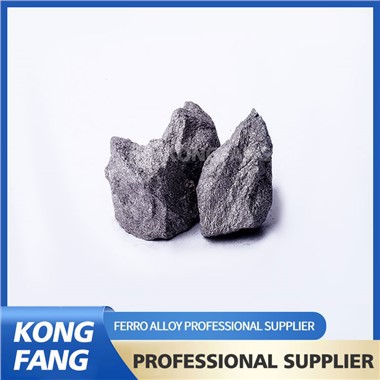
Ferro chrome (FeCr) is a ferroalloy which includes iron and chromium. Depending on the application, ferrochrome contains between 50 and 70% chromium. It comes from the reduction of chromite, a mineral composed mainly of chrome oxide and iron oxide and mined as chrome ore. Ferrochrome is the most important intermediate raw material for the production of stainless steel and uses the majority of the world's chrome supply.
Ferro Chrome Chemical and Physical Properties
The physical and chemical properties of Ferrochrome are listed below:
Atomic Mass: The atomic mass for this alloy is 52.0.
Density: The apparent density for this compound is 7.15 g/cm3.
Melting Point: The melting point for this substance is 1900 °C.
Boiling Point: The boiling point for this alloy is 2642 °C.
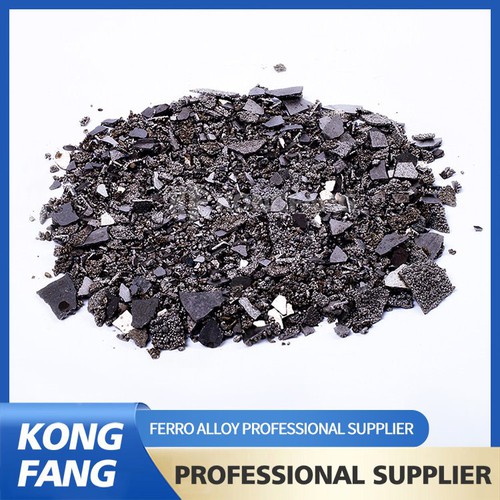
Appearance: Ferro chrome is available in various forms, including small crystals, lumps, and granules, as well as in powder form.
Color: The color varies from dark gray to light gray.
Odor: Odorless; can be dangerous when inhaled.
Solubility: The alloy is not soluble in water.
Combustibility: The dust particles of this chemical alloy are combustible.
Benefits of Ferro Chrome

Improve Antioxidant Properties
Adding ferro chrome during the steel making process can effectively increase the antioxidant capacity of steel. The chromium element in ferrochrome can effectively protect steel and slow down its oxidation rate to increase the oxidation resistance of steel. This helps increase the service life of the steel.
Improve Corrosion Resistance
In the steel making process, adding a certain amount of ferro chrome according to the proportion of the element content in the molten steel can effectively improve the corrosion resistance of the steel. The chromium element in ferro chrome can effectively adhere to the surface of steel and provide a protective layer to resist corrosion.

Improve Hardness and Wear Resistance
Ferro chrome is now commonly added to the steel making process, mainly because ferro chrome can effectively improve the hardness and wear resistance of steel. In addition, ferro chrome can also purify impurities in steel and improve the hardness of steel.
Ferro Chrome Parameters (Take Low Carbon Ferro Chrome 60 as an Example)
| Origin | China | ||
| Carbon Content | C 0,05-0,5 or C <0,05 | ||
| Quality | Cr | 60 | % min |
| C | 0.05-0.5 | % max | |
| Si | 1.5 | % max | |
| P | 0.03 | % max | |
| S | 0.03 | % max | |
| Form | Lumps in the range of 10-100/80/50mm, 90%min | ||
| Packaging | Big bags of 1 MT each; loose in bulk. | ||
| Lot Size & Tolerance | 25 MT, depending on weight restrictions of destination country. Tolerance +/-2% | ||
Types of Ferro Chrome
1. Low Carbon Ferrochrome
Low carbon ferrochrome (LC FeCr), with a carbon content of less than 0.5%, is an iron alloy used to regulate the proportion of chromium in steel production without adding carbon and other unwanted ingredients. It is also used by the high temperature alloy industry. The most commonly used process for manufacturing low carbon ferrochrome is metal thermal reduction, known as the two-phase (Perrin) or single-phase process. To obtain the required low carbon content in LC FeCr, carbothermal processes cannot be used.
2. Medium Carbon Ferrochrome
Medium carbon ferrochrome (MC FeCr) has a carbon content between 0.5-4% and is used in the foundry industry and in steel mills with limited refining capacity but requiring low silicon content. MC FeCr can be produced by silothermal reduction of chromite ores and concentrates or by decarburization of HC FeCr in an oxygen-blown converter. The silothermal method is more economical and therefore more important for today's production of medium carbon ferrochromium. This may be due to the lower demand for MC FeCr compared to the higher demand for HC FeCr. LC FeCr can be produced by the same process.
3. Charge Chrome and High Carbon Ferrochrome
The carbon content of charge chromium and high-carbon ferrochrome (HC FeCr) both ranges from 4% to 9%, with the main difference between the two being the chromium and silicon content. Chromium charge typically contains 45-56% chromium and 3-7% silicon, while high carbon ferrochrome typically contains 60-70% chromium and 1-3% silicon. HC FeCr can be produced by the blast furnace method, electric furnace method, or plasma furnace method. The most common modern production method of high-carbon ferrochrome is smelting in submersible arc furnaces. The basic principle of electric furnace smelting HC FeCr is to use carbon to reduce chromium and iron oxides.
Role of High Carbon Ferro Chrome in Stainless Steel Production
High Carbon Ferro Chrome plays a vital role in the production of stainless steel, contributing to the essential properties and characteristics of alloy. Here are its main roles:

Enhancing Corrosion Resistance
Increasing Strength and Hardness
Improving Heat Resistance
Promoting Machinability
Affecting Magnetic Properties
Variety of Stainless Steel Grades
Cost-Effectiveness
Safety Tips for Dealing with Ferro Chrome
Care should be taken when handling this Ferro Chrome to prevent eye contact with this material or accidental inhalation or ingestion. Under certain conditions, this material can also catch fire. Therefore, adequate protective measures need to be taken to avoid such accidents. The dangers this alloy may pose and the protective measures that need to be taken are discussed in detail below.
Personal Protection
Exposure to ferrochrome can cause certain health problems, such as skin irritation, causing swelling and redness of the eyes, causing coughing and respiratory irritation. Therefore, adequate protective measures such as filtering respirators, OSHA-approved safety goggles or safety glasses, protective gloves, and protective clothing are required when handling this material in industrial settings. Smoking, drinking, or eating near storage facilities is strictly prohibited as this may result in fire or accidental ingestion.
Accidental Leakage Measures
Chemical spills should be cleaned up immediately and spills should be stored in suitable containers. It's best to moisten spills as this will prevent dust from rising. The scattering and spread of Ferro Chrome alloy dust should be avoided. Storage sections need to be equipped with appropriate ventilation equipment.
Fire Hazard
Ferrochrome dust particles can explode and burn. Therefore, it is recommended not to have any open flames near ferrochrome powder. It is also necessary to prevent the spread of dust. Fireproof electrical equipment is required when handling this chemical.
Storage and Packaging
The chemical can be stored in the following containment systems: Octo-Box containers, Steel or fiber drums, Multiple paper bags, Bulk bags, Pails.
Our Certifications
Our company has obtained the following certificates:


Factory Pictures
Below Are Photos Of Our Factory For You To View:

FAQ
Q: How is ferrochrome classified?
Q: What is ferro chrome used for?
Q: Why is ferro chrome so expensive?
Q: What is the difference between chromite and ferrochrome?
Q: Is ferro chrome a metal?
Q: What is the raw material of ferro chrome?
Q: Is ferrochrome a mineral?
Q: What is the difference between ferro chrome and ferro manganese?
Q: What is the chemical name for ferro chrome?
Q: What color is ferrochrome?
Q: What is low carbon ferro chrome used for?
Q: How much electricity does ferrochrome production use?
Q: What is ferro chrome lumpy?
We're professional ferro chrome manufacturers and suppliers in China, specialized in providing high quality products and service. We warmly welcome you to buy high-grade ferro chrome at competitive price from our factory.
Ferro Chrome Lump, ferro chromium 10 50mm, lc fecr powder